Case Study

Transforming Liberia Through Digital Addressing

Empowering communities, businesses, and government agencies with precise location solutions for a more connected Liberia.

Explore platform

What are Lib Codes?

LIB Codes provide unique addresses for locations without traditional street addresses. Based on latitude and longitude coordinates, these codes use a simple combination of numbers and letters to identify any location with precision.

Whether you need to receive deliveries, access emergency services, or simply help others find you, LIB Codes make location sharing simple and reliable in any context.
Key features

  • Accessible offline: Works without internet connection, perfect for areas with limited connectivity
  • Language independent: Uses 20 carefully chosen alphanumeric characters, excluding easily confused characters and vowels
  • Universal format: Easy to share via phone, radio, or written communication
  • Precise location: Every 3-meter square has a unique address for accurate navigation

Personal benefits

Share your location

Share your home, business, or meeting location effortlessly, even without traditional street addresses. Eliminate the need for complex directions or landmarks.

Travel with confidence

Navigate directly to your destination in unfamiliar areas. Save time and avoid confusion with precise location guidance.

Where codes make a difference

From emergency response to commerce, short precise addresses improve outcomes when street names are missing or incomplete.

Land ownership

Land or building ownership is a relevant and complicated, but vastly under-organized issue in many countries. Several land registry offices are looking into identifying parcels of land by their central mapcode whilst others have implemented mapcode down to a 1m² accuracy for urban planning and asset management.

Emergency services

Emergency services need to quickly reach the strangest places. Not only will a mapcode get an ambulance to within meters of its target, no matter where, but the short mapcodes can also be communicated clearly even over bad connections.

National post code system

Many countries are currently considering mapcodes as a candidate for their national post code. Most countries today only have "zone" codes, where thousands of dwellings share the same code. South Africa was the first to introduce mapcodes to officially support informal dwellings.

Archeological finds

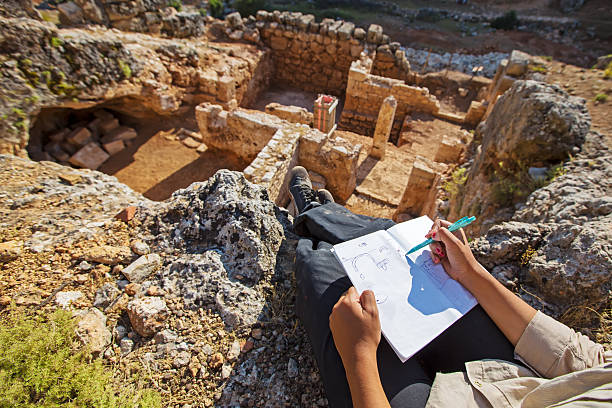
Archeological and botanical finds are registered very precisely. Many errors are made, however, both in writing down and in copying the unwieldy latitudes and longitudes. Mapcodes are now used to put a human face on coordinates by the Naturalis Biodiversity Center.

Government

Deliver services to all citizens, including mail and social assistance, no matter where they live. Ensure that citizens receive official communications and can register to vote.

Non-governmental organization

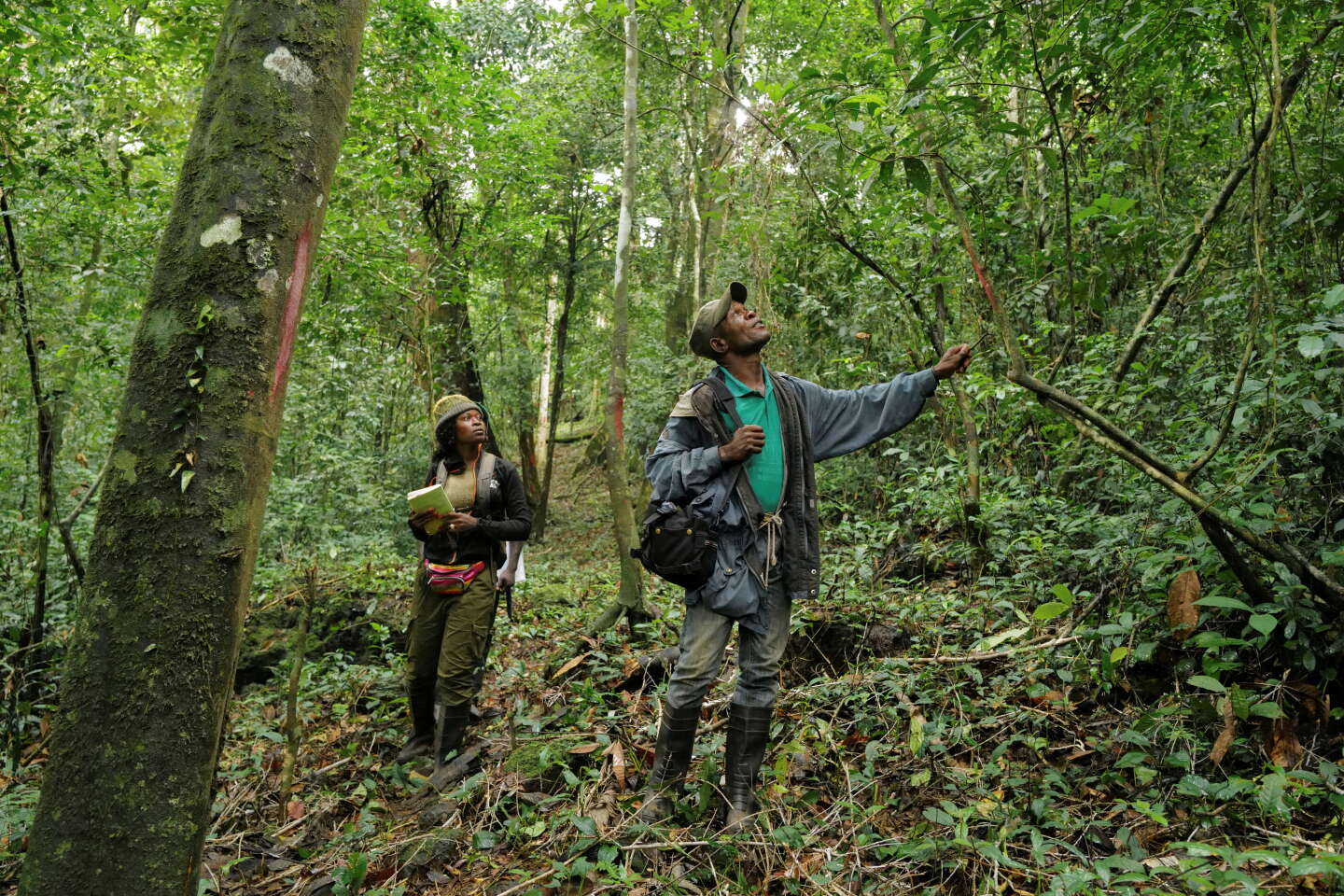
Using Plus Codes, deliver humanitarian and disaster relief to coordinate activities in regions where mapping data is incomplete or nonexistent. Conduct better record-keeping and tracking of services by detailing locations served.

Commercial delivery

Get goods to the right place, every time - whether it's areas with traditional addressing, areas with no street names, rural areas or informal settlements. Use Plus Codes to get precise pickup and drop-off locations.

Small and medium-sized business

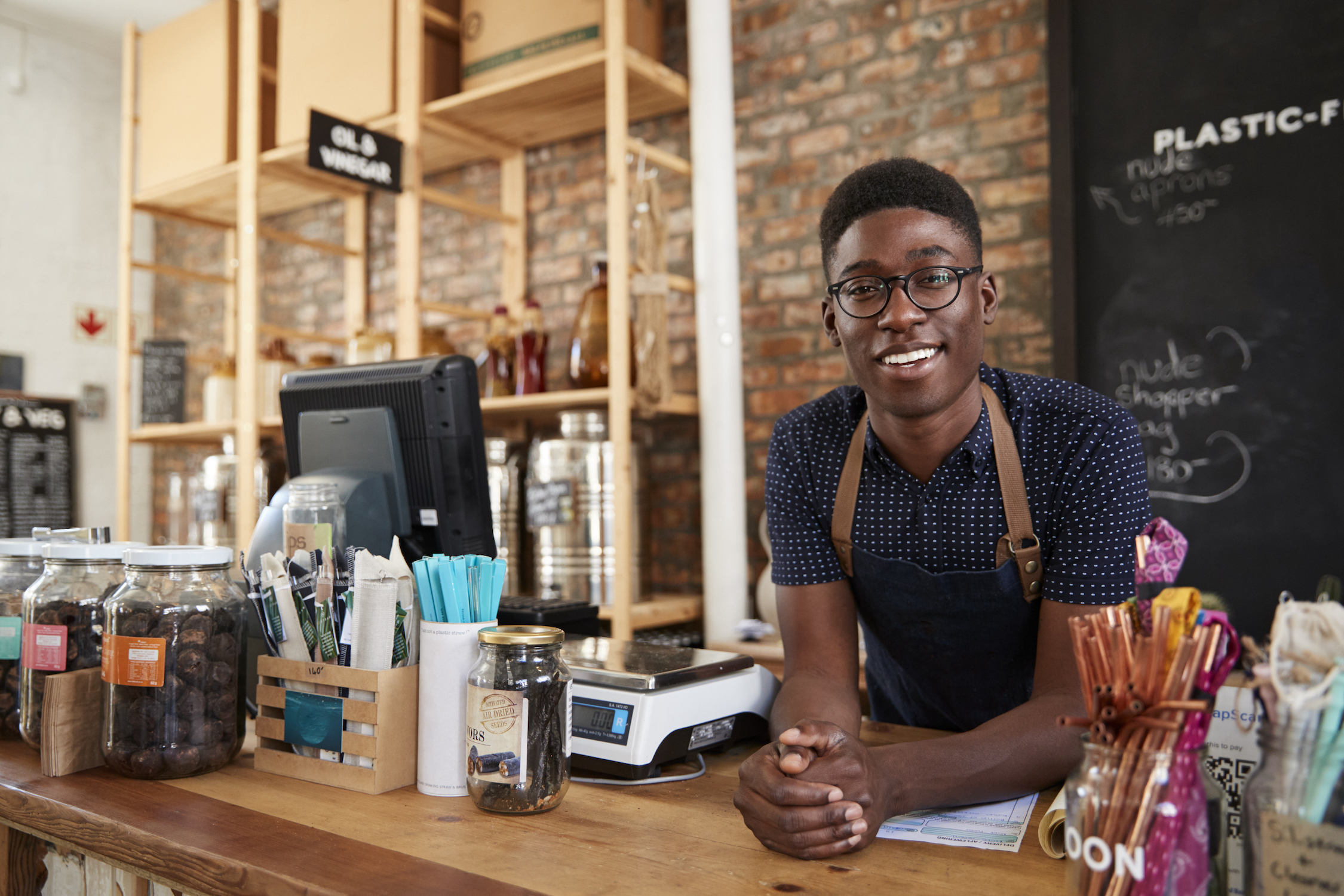
Help customers find you by giving them your Plus Code. If you deliver goods to customers, you can find the right location easily using their Plus Codes, even without street names and numbers.